Pixel Stick: The Ultimate Retro Font for Modern Creatives
Retro aesthetics have made a powerful comeback in recent years, influencing everything from music and fashion to digital design and branding. One of the key tools driving this revival is Pixel Stick — a cool pixel display font that effortlessly channels the charm of classic video games while fitting seamlessly into today’s creative workflows. Whether you're designing t-shirts, posters, covers, or headlines, Pixel Stick adds a nostalgic yet contemporary flair that resonates with audiences across multiple platforms.
What Is Pixel Stick?
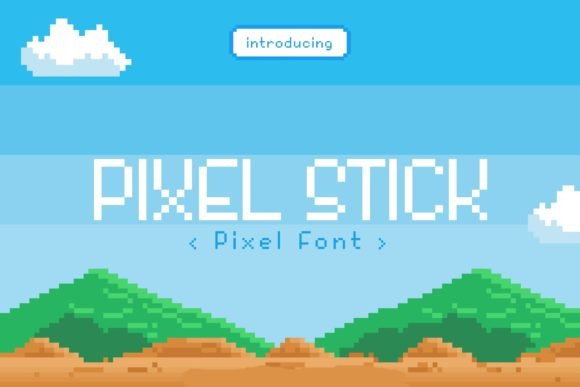
Pixel Stick is a digital typeface designed with a retro gaming vibe at its core. It uses a pixel-based structure to mimic the look of 8-bit or 16-bit fonts found in early video games, offering a bold, blocky appearance that's both eye-catching and instantly recognizable. Unlike generic retro fonts, Pixel Stick brings a refined edge to its pixelated style, making it suitable for a wide range of applications without sacrificing clarity or readability.
This font isn’t just about nostalgia; it's also built for versatility. Its clean lines and structured form allow designers to use it effectively in various contexts, from print media to web graphics. The font’s unique characteristics make it an excellent choice for anyone looking to add a vintage-inspired touch to modern projects.
The Rise of Retro Design in the Digital Age
In an era dominated by sleek, minimalist design trends, there's something refreshingly bold about embracing retro visuals. Pixel Stick thrives in this space by combining the simplicity of past design eras with the precision required for today’s high-resolution screens and print materials. This fusion appeals not only to gamers but also to entrepreneurs, marketers, and educators who are tapping into the emotional resonance of nostalgia to connect with their audience.
With the resurgence of indie game development and the popularity of remastered classics, retro fonts like Pixel Stick are becoming more relevant than ever. They help create a visual identity that aligns with the aesthetic of the project, whether it's a logo for a new board game app or a promotional poster for a pop-up arcade event.
Aesthetic Versatility Across Industries
Pixel Stick is particularly valuable because it can be adapted to different industries and purposes. For instance:
- T-shirt designs: Use Pixel Stick to craft bold, attention-grabbing logos or slogans that immediately evoke a sense of fun and nostalgia.
- Book and album covers: The font works well as a title element for stories set in the 80s or 90s, or for music genres like synthwave and chiptune.
- Headlines and banners: Ideal for websites or social media campaigns aiming to stand out with a retro twist.
- Posters and flyers: Whether promoting a retro-themed party or a local game night, Pixel Stick helps your message pop with authenticity.
Why Pixel Stick Fits Into Modern Creative Practices
Modern creatives often work across multiple formats and platforms, requiring fonts that are adaptable and scalable. Pixel Stick meets these needs by being optimized for both small and large displays. Its pixel-based design ensures it maintains its character even when scaled down for mobile interfaces or printed on fabric for apparel.
Moreover, the font supports a variety of colors and backgrounds, allowing for dynamic layering and effects. This flexibility means designers can experiment with gradients, outlines, shadows, and other enhancements without compromising the integrity of the text.
Pixel Stick in Branding and Marketing
Branding has become increasingly visual, and Pixel Stick offers a distinctive way to differentiate your brand. For startups and small businesses targeting millennials and Gen Z, the font can serve as a bridge between youthful energy and mature professionalism. Consider using it for packaging, website headers, or product names in niches such as tech gadgets, board games, or casual wear.
Marketers have also begun leveraging retro fonts to tap into consumer sentiment. A campaign that uses Pixel Stick could feel like a throwback to the golden age of gaming, evoking warmth and familiarity. This is especially effective in campaigns aimed at building community or highlighting a product’s roots in a particular subculture.
Practical Applications and Real-World Examples
Let’s explore some practical scenarios where Pixel Stick can shine:
- Indie Game Development: Many indie developers use Pixel Stick for UI elements and title screens. It complements hand-drawn pixel art and gives their games a cohesive, authentic look.
- Fashion and Merchandise: Apparel brands focused on gaming culture or retro themes often feature Pixel Stick on graphic tees, hoodies, and accessories. The font's retro appeal makes it perfect for merchandise sold online or at conventions.
- Educational Content: Teachers and educators creating presentations or infographics about the history of video games or digital art find Pixel Stick useful for reinforcing the topic visually.
- Event Promotion: From retro gaming expos to cosplay contests, Pixel Stick is a go-to font for creating engaging promotional materials that speak directly to the target demographic.
One real-world example is a retro-themed board game launch that used Pixel Stick for all its promotional assets. The result was a unified visual language that clearly communicated the game’s inspiration and helped build excitement among potential customers. The font became a signature element of the brand, enhancing recognition and engagement.
How to Incorporate Pixel Stick Effectively
Using Pixel Stick successfully requires a balance between creativity and usability. Here are some tips to help you get the most out of this versatile font:
- Use it sparingly: While Pixel Stick is highly expressive, overusing it can overwhelm the design. Save it for headlines, titles, or accent text.
- Pair with complementary styles: Combine it with simpler sans-serif or serif fonts to create contrast and guide the viewer’s attention.
- Experiment with spacing and alignment: The font’s pixel nature allows for creative layout options, such as staggered letters or justified blocks of text.
- Consider color psychology: Bright neon tones or muted pastels can drastically change the mood of your design. Think about how each choice affects your message.
Tools and Platforms That Support Pixel Stick
To start using Pixel Stick, you’ll need access to it through a font library or design platform. Once acquired, it can be used in software like Adobe Photoshop, Illustrator, Canva, Figma, and many others. Online tools like Overprint or Font Squirrel offer easy integration into web projects, ensuring your font looks sharp on all devices.
If you’re working on a website, ensure the font is properly embedded using WOFF or TTF formats for cross-browser compatibility. For print projects, check the resolution settings to maintain crispness in the final output.
Pixel Stick and Nostalgia-Driven Design
Nostalgia-driven design isn’t just a trend — it’s a strategy. Pixel Stick taps into the collective memory of those who grew up playing arcade games or exploring early computer systems. This emotional connection can enhance user experience, improve brand loyalty, and drive engagement in unexpected ways.
For example, a blogger covering retro gaming might use Pixel Stick in their site’s header or post titles to reinforce their content’s theme. Similarly, a YouTube creator focusing on 8-bit-style content could integrate the font into thumbnails or end screens to create a consistent visual identity.
As consumers seek authenticity and meaningful experiences, design choices like Pixel Stick become more than just stylistic — they become strategic. By using the right font, you’re not just adding text; you’re telling a story and building a connection with your audience.
Staying Authentic in a Changing Market
While retro fonts are popular, it’s important to avoid superficial applications. Pixel Stick should be used thoughtfully, in line with the overall tone and purpose of your project. When done right, it enhances the design rather than distracts from it.
For businesses and creators, staying true to your brand voice is essential. If your project genuinely reflects retro values or themes, Pixel Stick will fit naturally. If not, consider using it as a subtle accent rather than a dominant feature.
Future-Proofing Your Designs with Pixel Stick
Design trends come and go, but nostalgia remains a constant. Pixel Stick is part of a broader movement toward hybrid aesthetics that blend old and new. As long as there’s interest in retro gaming and digital history, this font will remain a relevant tool in the designer’s arsenal.
Additionally, as augmented reality (AR) and virtual reality (VR) experiences grow, there's potential for Pixel Stick to play a role in immersive environments. Imagine a VR museum dedicated to the evolution of video games — Pixel Stick could be the perfect font for labels, menus, and interactive guides.
Adapting to New Technologies
Pixel Stick isn’t limited to traditional media. It can be integrated into animations, GIFs, and interactive web elements to create dynamic, engaging content. With the rise of short-form video content on platforms like TikTok and Instagram Reels, having a font that stands out and feels authentic is a major advantage.
For web developers, the font can be used in CSS animations to simulate pixel transitions or typewriter effects, adding a playful touch to otherwise static text. These kinds of interactions help keep users engaged and reinforce the retro theme of the site or application.
Final Thoughts on Pixel Stick
Pixel Stick is more than just a font — it’s a design tool that bridges the gap between past and present. Whether you're a professional developer, a hobbyist artist, or a business owner looking to carve out a unique identity, this font offers a compelling way to incorporate retro aesthetics into your work.
Its relevance lies not only in its visual appeal but also in its ability to communicate a specific feeling or era. Used correctly, Pixel Stick can elevate your projects, spark creativity, and connect with audiences on a deeper level.
So, if you’re ready to give your next design a touch of pixelated charm, consider incorporating Pixel Stick into your toolkit. It’s a timeless addition that continues to evolve alongside modern design practices and audience preferences.