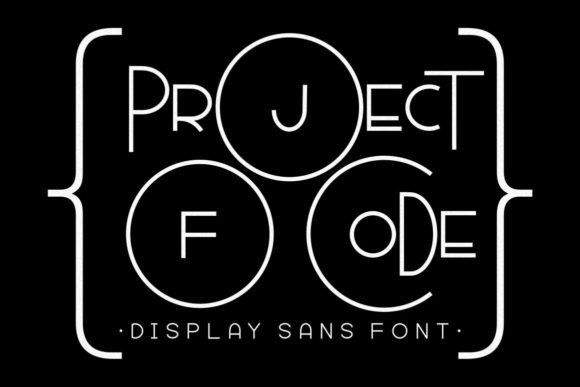
Project of Code: A Stylish Display Font for Modern Design Needs
Fonts play a powerful role in how we communicate visually. Whether you're creating content for your blog, designing a logo for your startup, or putting together an eye-catching social media post, the right font can make all the difference. Project of Code is one such font that stands out with its unique blend of style and functionality. This display font isn't just about looking good—it’s built to work well across a range of creative and professional projects.
What Makes Project of Code Unique?
Project of Code is a modern display font designed for those who want to add a touch of personality and flair to their designs without compromising readability. It features clean lines, bold strokes, and subtle geometric influences that give it a fresh, contemporary feel. What really sets this font apart is its PUA (Palette User Access) encoding. This means that users have easy access to a wide variety of glyphs and ligatures, making it highly customizable and adaptable to different design needs.
Who Can Benefit from Using Project of Code?
While Project of Code might sound like it's only for developers or tech-savvy creatives, its applications are far more diverse. Let’s explore some real-world scenarios where this font could be a game-changer.
For Creators and Artists
Graphic designers often rely on display fonts to make headlines pop or to create logos that resonate with their brand identity. Project of Code fits perfectly into these roles. Its sleek appearance works well in both digital illustrations and print materials. For example, if you're designing a poster for a tech conference or a music festival, this font can help you craft a headline that feels both edgy and elegant.
Its versatility also makes it ideal for branding purposes. You could pair it with a more traditional sans-serif or serif font for body text, using Project of Code to highlight key phrases or titles. The result? A balanced yet striking visual hierarchy that draws attention and reinforces your message.
For Entrepreneurs and Small Business Owners
Entrepreneurs are always looking for ways to stand out in a crowded market. If you run a startup focused on software development, coding bootcamps, or even a boutique selling tech-themed products, Project of Code can serve as a great branding tool. Use it in your website headers, email signatures, or product packaging to convey innovation and professionalism at the same time.
Imagine launching a new line of smartwatches and using Project of Code for your tagline. The font's sharp edges and modern look would align well with the high-tech nature of your product, helping customers immediately connect your brand with cutting-edge design and functionality.
For Marketers and Bloggers
Marketing copy and blog posts need to grab attention quickly. With Project of Code, you can elevate your headlines and subheadings to make them more engaging. Whether you’re writing about the latest trends in artificial intelligence or promoting a summer sale, using this font in your promotional materials can enhance the overall visual appeal.
On Instagram or Facebook, where scroll speed is fast, a well-designed post with a standout font can mean the difference between someone noticing your content or passing by. Try using Project of Code for your call-to-action buttons or main title to create a memorable impression.
For Educators and Trainers
If you're teaching a course related to programming, data science, or digital marketing, Project of Code can be a useful addition to your slides and handouts. It adds a sense of authority and modernity to your materials, especially when used in headings or section titles. For instance, using it in a presentation slide titled “Intro to Machine Learning” instantly gives the topic a polished, professional edge.
This font also helps in creating infographics or visual learning aids that need to be both informative and attractive. The clear structure of Project of Code ensures that important concepts are highlighted effectively, aiding comprehension and retention among students or participants.
For Freelancers and Publishers
Freelancers working on editorial design, such as magazines, brochures, or book covers, can use Project of Code to introduce a modern twist. It pairs beautifully with more subdued typefaces in body text, allowing the title or chapter headings to command attention while keeping the rest of the layout readable.
Publishers may find this font particularly useful when designing e-books or online publications related to technology, startups, or digital culture. The font's character set allows for creative expressions, which is essential when crafting compelling cover art or promotional banners that speak directly to niche audiences.
For Hobbyists and Lifestyle Enthusiasts
Not everyone uses display fonts for business—but many hobbyists do. If you enjoy creating custom T-shirts, greeting cards, or home decor, Project of Code can bring a stylish element to your DIY projects. It works especially well for minimalist designs where typography is the focal point.
Consider designing a wall art piece with a motivational quote about creativity or innovation. Project of Code’s bold presence can turn simple words into a statement. Its ligatures and special characters also allow for artistic touches, giving your personal projects a unique signature.
Realistic Use Cases Across Different Platforms
Let’s dive into some specific platforms and tools where Project of Code can shine:
- Canva: Ideal for social media graphics, posters, and presentations. Add a layer of sophistication to your designs by choosing this font for titles or logos.
- Adobe Photoshop and Illustrator: Perfect for detailed graphic work. Use it to create custom headers, icons, or stylized elements in your project.
- Web Development: Incorporate it into websites using Google Fonts or by embedding the font file. It looks great on landing pages, hero sections, and navigation menus.
- Email Marketing: Use it sparingly in subject lines or header sections of newsletters to increase open rates and engagement.
Example Scenarios
- A blogger writes about the future of AI and wants to create a series of YouTube thumbnails. They choose Project of Code for the title to match the tech-forward theme of the channel.
- A freelance designer creates a logo for a cybersecurity company. To emphasize the technical aspect of the brand, they use Project of Code for the main text and complement it with a clean sans-serif for the tagline.
- An entrepreneur starts a podcast about coding tips and tricks. They apply Project of Code to the podcast title and artwork to build a cohesive, recognizable brand identity.
Things to Consider Before Using Project of Code
While Project of Code is incredibly versatile, it’s not always the best choice for every situation. Here are a few things to keep in mind before incorporating it into your next project:
- Readability vs. Style: Because it’s a display font, it may not be suitable for large blocks of text. Reserve it for headlines, logos, and short impactful phrases.
- Font Pairing: Make sure to pair it with complementary fonts. Mixing it with overly ornate or casual fonts can clash and reduce the effectiveness of your design.
- Context Matters: Consider the tone of your project. If you're going for something playful or vintage, this font might not fit. But for modern, tech-related, or minimalistic themes, it’s a solid pick.
- License Type: Always check the licensing terms to ensure you're allowed to use the font for your intended purpose—especially if you're using it commercially or distributing it publicly.
How to Get Started with Project of Code
Getting started with Project of Code is straightforward. Most font providers offer either a free download or a paid license depending on usage rights. Once you’ve obtained the font, install it on your computer or import it into your preferred design tool. If you're working online, platforms like Canva or Figma usually let you upload custom fonts directly.
After installation, experiment with different weights and styles (if available). See how it interacts with other elements in your design. Remember, the goal is to enhance—not overwhelm—the message you're trying to convey.
Why Choose Project of Code Over Other Display Fonts?
There are countless display fonts available, but Project of Code stands out due to its balance of form and function. Unlike some fonts that sacrifice readability for style, this one maintains clarity even in bold forms. Its PUA encoding feature is another major plus, offering access to extra glyphs and ligatures that allow for more creative freedom.
Additionally, the font’s adaptability makes it suitable for both print and digital formats. Whether you're printing a brochure or optimizing a web banner, Project of Code retains its visual integrity across various mediums. This kind of flexibility is rare and valuable in today’s multi-platform design landscape.
Tips for Maximizing the Impact of Project of Code
To get the most out of Project of Code, consider these practical tips:
- Use it in combination with lighter, more legible fonts for body text.
- Experiment with spacing and alignment to highlight certain words or phrases.
- Take advantage of its ligatures and glyphs to add subtle visual interest to your text.
- Limit its use to avoid overdesigning your layouts—less is often more.
These small adjustments can significantly improve the effectiveness of your design. Think of Project of Code as a spotlight rather than a floodlight—use it strategically to draw attention to what matters most.
Final Thoughts
In the world of design, finding the right font can transform an average layout into something extraordinary. Project of Code offers that transformation with its modern aesthetic and functional design. Whether you're building a brand, creating educational materials, or just experimenting with your own creative projects, this font has the potential to elevate your work.
As with any tool, the key is knowing how and when to use it. By understanding its strengths and limitations, you can harness the full power of Project of Code and apply it to real-life situations that benefit from its distinct character.