Rainbow Group: A Retro-Style Display Font for Creative Designers
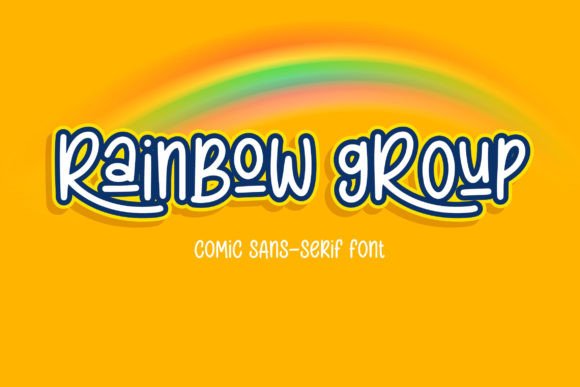
Rainbow Group is a casual, fun, and retro-style display font that brings a vibrant, nostalgic charm to any design project. With its distinct character set and timeless appeal, it has become a popular choice among designers who want to infuse personality into their work. As a PUA-encoded font, Rainbow Group allows users to access all its glyphs and ligatures with ease, making it both user-friendly and versatile.
What Makes Rainbow Group Unique?
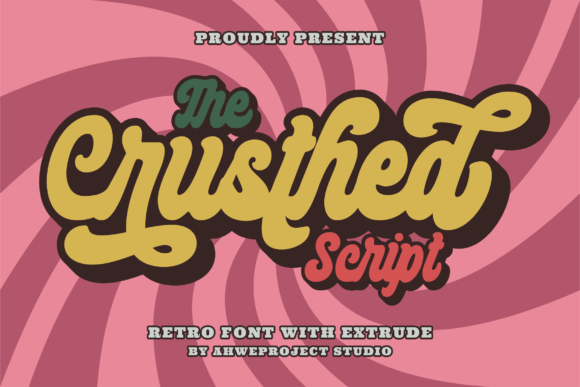
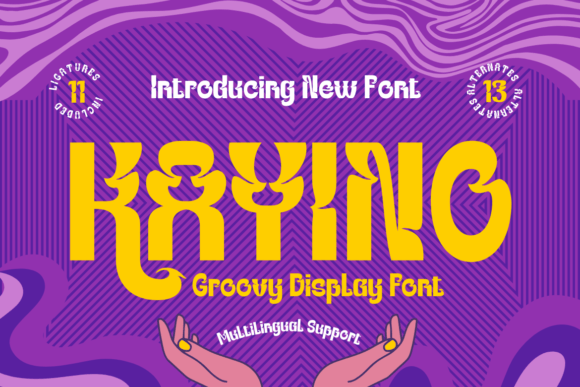
The standout feature of Rainbow Group is its visual style. Inspired by vintage typography often seen in classic advertisements, posters, and branding from the mid-20th century, this font captures the essence of retro aesthetics without feeling outdated. Its playful curves, bold outlines, and multicolored glyph options (when applicable) give it a dynamic and eye-catching appearance that immediately draws attention.
Being a display font means it’s not ideal for large blocks of text, but rather for headlines, logos, banners, and other design elements where impact matters more than readability at small sizes. The font's structure leans toward artistic expression, which makes it suitable for projects that prioritize visual flair over formal legibility.
Why You Might Be Interested in Rainbow Group
If you're working on a design that needs to evoke a sense of nostalgia or whimsy, Rainbow Group could be an excellent fit. It appeals to those who appreciate retro styles, particularly in branding, packaging, and creative media such as social posts, music flyers, or themed websites. Additionally, the font's PUA encoding ensures that special characters, ligatures, and alternate glyphs are accessible through a simple menu in most design software—eliminating the need for complicated workarounds.
Designers often seek fonts that can stand out in a crowded digital space. Rainbow Group offers just that with its unique letterforms and expressive nature. For creatives who enjoy experimenting with typography, this font provides a rich set of features to enhance visual storytelling and brand identity.
Key Benefits of Using Rainbow Group
- Nostalgic Appeal: Its retro design evokes a warm, familiar feel that resonates with audiences seeking authenticity and charm.
- Distinctive Style: The font’s one-of-a-kind look helps designs stand out and aligns well with artistic or unconventional projects.
- PUA Encoding: Simplifies access to extended glyphs and ligatures, improving workflow efficiency for designers using Adobe Illustrator, Photoshop, or similar tools.
- High Customization Potential: Offers flexibility for stylized use cases like hand-drawn illustrations, gradients, or layered effects.
Potential Tradeoffs and Considerations
While Rainbow Group excels in certain applications, there are important considerations before choosing it for your project. First, as a display font, it may not be appropriate for body text or long paragraphs. Its ornate and decorative nature can reduce readability when used in smaller sizes or dense layouts.
Additionally, the font’s retro vibe might not suit every design context. If your project requires a modern, minimalist, or professional tone, Rainbow Group could clash with the intended aesthetic. Similarly, if you're designing for accessibility or require high legibility across different platforms and devices, this font may not be the best option.
When to Use Rainbow Group
Rainbow Group shines in specific design scenarios. Here are a few examples where it could be a strong fit:
- Brand Identity for Nostalgic or Playful Businesses: Think vintage shops, retro cafes, or family-owned businesses aiming to create a warm and inviting image.
- Event Promotion and Posters: Music festivals, pop-up events, and themed parties benefit from its lively and attention-grabbing style.
- Editorial and Print Media: Magazines, zines, and book covers targeting a retro audience can leverage this font for striking headlines.
- Digital Marketing and Social Media: When creating content for platforms like Instagram or Pinterest, where visuals play a crucial role, Rainbow Group adds a memorable touch.
In these situations, the font’s ability to convey emotion and character becomes its greatest asset. It can transform a simple graphic into something visually engaging and thematically consistent.
When to Consider Alternatives
Despite its strengths, there are instances where alternatives to Rainbow Group may be more suitable. For example:
- Corporate or Professional Branding: In settings where clarity and formality are key, such as financial reports or business presentations, a sans-serif or serif typeface would likely be more effective.
- Web Typography: Since web fonts often need to load quickly and render clearly across devices, simpler and more universally compatible fonts may perform better.
- Long-Form Content: For anything involving extensive reading—like blog posts, articles, or e-books—a more readable and scalable font should be considered.
Choosing the right font involves understanding your audience and the purpose of your design. If your goal is to communicate information efficiently, then Rainbow Group may not be the best choice. However, if your aim is to capture attention and express a particular mood or era, it can be a powerful tool in your typographic arsenal.
Practical Insights for Decision-Making
Before committing to Rainbow Group, ask yourself a few key questions:
- Do I need a font for short, impactful phrases rather than long passages of text?
- Is my target audience likely to connect with retro or playful themes?
- Will this font complement the overall color scheme and layout of my design?
- Am I comfortable using a display font that requires careful scaling and spacing for optimal results?
Answering these questions can help you determine whether Rainbow Group is the right fit for your needs. It’s also helpful to test the font in your actual design context. Many font providers offer free trials or sample sets that allow you to preview how it looks and functions in real-world applications.
Another consideration is the file format and compatibility. Ensure that the version of Rainbow Group you’re using supports the platforms and software you rely on. While PUA encoding simplifies glyph access, some users may prefer OpenType features or variable fonts depending on their workflow preferences.
Pairing Rainbow Group with Other Fonts
Because of its bold and decorative nature, pairing Rainbow Group with a more neutral or structured font can balance the design effectively. Common pairings include:
- Serif fonts like Georgia or Times New Roman for a classic contrast.
- Minimalist sans-serifs such as Helvetica or Lato to keep supporting text clean and legible.
- Other retro-inspired fonts that share a similar era but offer complementary weights or styles.
These combinations ensure that while the headline grabs attention, the rest of the content remains easy to read and visually cohesive.
Expectations and Best Practices
When using Rainbow Group, it’s important to manage expectations regarding its performance and limitations. This font is not meant for versatility across all uses—it thrives in specific roles and may fall short in others. To get the most out of it:
- Use it for headlines, logos, and call-to-action elements where it can shine.
- Avoid using it for body text or multi-language content unless necessary.
- Test it across various screen sizes and print formats to ensure it maintains its visual integrity.
- Take advantage of the PUA-encoded features to explore ligatures and alternate characters.
By understanding its strengths and applying it thoughtfully, you can maximize the effectiveness of Rainbow Group in your creative projects.
Final Thoughts on Rainbow Group
Rainbow Group is a standout option for designers looking to add a touch of retro charm and visual interest to their work. Its casual, fun style makes it ideal for projects where personality and memorability are key. However, it’s not a one-size-fits-all solution and should be evaluated based on the specific needs of each design task.
Whether you're crafting a logo for a new boutique, designing a poster for a local event, or enhancing a website with thematic headings, Rainbow Group can bring a unique flair to your creations. But for more traditional or functional uses, it’s wise to consider alternative fonts that better align with your goals.
Ultimately, the decision to use Rainbow Group should be guided by the message you want to convey and the impression you hope to make. By keeping your design objectives clear and testing the font in your intended context, you’ll be better equipped to decide if it truly fits your needs—or if another font might serve you better in the long run.