Sweet Butternut: A Vintage-Inspired Display Font for Modern Designers
Typography is more than just the arrangement of letters—it's a powerful design element that can set the tone, evoke emotion, and enhance visual storytelling. In today’s fast-evolving creative landscape, fonts like Sweet Butternut are gaining attention for their unique ability to blend nostalgic charm with modern functionality. As a vintage-style display font, Sweet Butternut brings warmth and character to any project while maintaining the flexibility needed in digital workflows.
The Charm of Vintage Typography in Contemporary Design
Vintage typography has seen a resurgence across various industries, from branding and advertising to web design and editorial content. This revival isn’t just about aesthetics; it reflects a deeper cultural shift toward authenticity and craftsmanship in an increasingly digital world. Fonts inspired by mid-century or retro styles offer a sense of timelessness and personality that stock typefaces often lack.
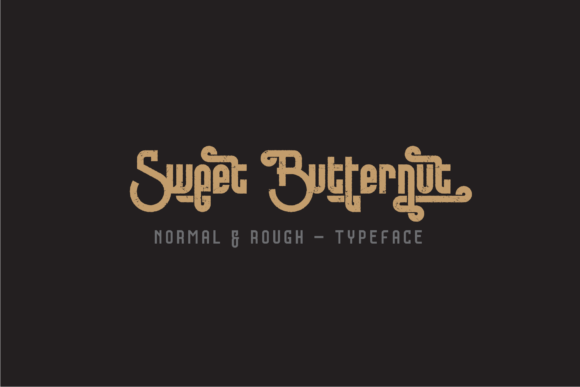
Sweet Butternut taps into this trend with its elegant curves and ornate details, reminiscent of classic hand-lettering techniques. Whether you're designing a logo for a boutique coffee shop or creating a vintage-themed blog post, this font adds a layer of sophistication that resonates with audiences seeking a human touch in design.
Why Display Fonts Matter in Visual Communication
Display fonts are used to grab attention and make a statement. Unlike sans-serif or serif fonts intended for body text, they’re not meant for long paragraphs but rather for headlines, titles, and key visual elements. The right display font can transform a design from ordinary to extraordinary, and Sweet Butternut does just that with its bold presence and refined elegance.
Its characters are crafted with a focus on style and clarity, making it suitable for both print and digital applications. From wedding invitations to product packaging, Sweet Butternut provides a distinctive look that stands out without overwhelming the viewer. It's particularly effective in niches such as lifestyle, food, fashion, and entertainment where brand identity plays a crucial role.
PUA Encoding: Enhancing Creativity and Accessibility
One of the standout features of Sweet Butternut is its PUA encoding. PUA stands for Private Use Area, a system that allows access to special glyphs and ligatures through font software like Adobe Illustrator, Photoshop, or Figma. For designers, this means greater creative control without the need for complex plugins or additional font files.
With PUA support, users can easily incorporate alternative characters, flourishes, and decorative elements directly into their designs. This level of customization is invaluable when aiming for a personalized aesthetic. Whether you want to add a whimsical flourish to a restaurant sign or a subtle ligature to a book cover, Sweet Butternut makes it simple and intuitive.
How PUA Encoding Benefits Modern Workflows
In today’s design environment, efficiency and versatility are key. Many professionals work across multiple platforms and tools, and having a font that adapts seamlessly to these environments is essential. Sweet Butternut’s PUA encoding ensures compatibility with most design software, allowing creators to focus on their vision rather than technical limitations.
- Adobe Creative Cloud: Users can access all glyphs via the Character panel.
- Figma & Canva: Ligatures and alternate characters are supported depending on the platform’s settings.
- Web Projects: While PUA may not be fully accessible online, many foundries provide WOFF versions optimized for web use.
This adaptability makes Sweet Butternut a reliable choice for freelancers, agencies, and in-house design teams who value both creativity and practicality.
Applications Across Industries
Fonts don’t exist in isolation—they serve specific purposes within different fields. Let’s explore how Sweet Butternut can be applied in real-world scenarios to meet user expectations and business goals.
Branding and Marketing
In branding, typography helps establish a company’s voice and visual identity. Sweet Butternut’s vintage flair works well for brands that want to convey tradition, quality, or artisanal values. Think of a handmade soap company using this font on their labels to emphasize natural ingredients and old-world charm.
For marketers, leveraging such a font in campaigns can help create a memorable impression. Consider a holiday promotional banner for a bakery—Sweet Butternut would elevate the headline, drawing customers in with its inviting script.
Content Creation and Blogging
Blogs and websites focused on lifestyle, travel, or personal development often benefit from expressive typography. Sweet Butternut can be used sparingly for section headers, pull quotes, or call-to-action buttons to guide readers visually and add a touch of personality.
It’s also ideal for social media posts where attention is fleeting. A well-designed Instagram caption or Pinterest board title using this font could increase engagement simply by standing out in a sea of generic text.
Educational and Print Materials
While primarily a display font, Sweet Butternut can still play a role in educational materials, especially when used to highlight important sections or titles. Teachers or educators might use it in lesson plans, certificates, or classroom posters to make information more engaging and visually appealing.
In print design, its high-quality outlines ensure crisp output at any size. From large banners to small business cards, Sweet Butternut maintains its legibility and impact, which is rare for many decorative fonts.
Design Trends That Make Sweet Butternut Relevant Today
The popularity of retro and handcrafted fonts aligns with broader design trends favoring minimalism, maximalism, and hybrid aesthetics. Here’s why Sweet Butternut fits perfectly into current creative practices:
- Hybrid Branding: Many businesses now adopt a mix of traditional and modern elements. Sweet Butternut complements clean layouts with a dash of vintage inspiration.
- Customization Demand: Consumers expect unique experiences, and this extends to visual content. Using a font like Sweet Butternut allows brands to differentiate themselves.
- Mobile Optimization: As more design work shifts to mobile-first platforms, having a font that looks great on screens is vital. Sweet Butternut’s clear structure ensures it remains readable even on smaller devices.
Examples of Sweet Butternut in Action
To illustrate its versatility, here are some practical examples:
- A restaurant menu uses Sweet Butternut for appetizer headings to evoke a cozy, home-cooked meal vibe.
- A travel blogger incorporates the font into their newsletter subject lines to stand out in crowded inboxes.
- An e-commerce site highlights seasonal sales with eye-catching banners styled in Sweet Butternut.
- A podcast intro displays the title in this font to create a warm, inviting feel.
These examples show how Sweet Butternut enhances communication by aligning with the desired mood and message of the project.
Choosing the Right Font for Your Project
Not every font is suitable for every task. When selecting a typeface, consider the following factors:
- Tone and Message: Does the font reflect the intended emotion? Sweet Butternut is best suited for projects requiring warmth, creativity, or nostalgia.
- Legibility: Even though it’s a decorative font, its clarity ensures it doesn’t hinder readability when used correctly.
- Platform Compatibility: Will it work across your target platforms? Thanks to its PUA encoding, Sweet Butternut offers broad accessibility for desktop design tools.
By keeping these considerations in mind, you can ensure your typographic choices enhance rather than distract from your content.
Best Practices for Using Sweet Butternut
To get the most out of Sweet Butternut, follow these tips:
- Use Sparingly: Apply it only where emphasis is needed. Overuse can dilute its impact and reduce readability.
- Pair Thoughtfully: Combine it with simpler, neutral fonts for body text to maintain balance. A clean sans-serif like Helvetica or Arial works well as a complement.
- Leverage Glyph Variations: Take advantage of the PUA-encoded glyphs to personalize your designs. These variations allow for subtle yet meaningful tweaks to your typography.
- Test Across Devices: Ensure your final design looks consistent on different screens and print formats.
These strategies help integrate Sweet Butternut into your workflow effectively, ensuring it elevates your design without overshadowing other elements.
The Future of Display Fonts in Design
As design tools become more sophisticated and user preferences evolve, the demand for expressive, high-quality display fonts continues to grow. Fonts like Sweet Butternut represent a bridge between heritage and innovation—offering the charm of yesteryear while meeting the needs of today’s digital-first world.
With the rise of remote work and freelance opportunities, more individuals are taking charge of their own branding and content creation. Accessible yet professional fonts are now essential tools for anyone building a personal or business identity. Sweet Butternut caters to this growing demographic by providing an easy-to-use, stylish option that supports both creativity and clarity.
Why Now Is the Time to Explore Sweet Butternut
If you haven’t already tried Sweet Butternut, now is a great opportunity to see how it can enhance your next project. With its combination of vintage appeal and modern usability, it’s a font that speaks to both the heart and the head. Whether you're a seasoned designer or just starting out, adding this font to your toolkit can open new possibilities for your visual storytelling.
Final Thoughts on Sweet Butternut
Typography is a dynamic field where trends come and go, but certain fonts remain timeless due to their craftsmanship and adaptability. Sweet Butternut is one such font, offering a rich visual experience backed by practical features like PUA encoding. It’s more than just a pretty typeface—it’s a tool that empowers creators to communicate with depth and distinction.
As we continue to embrace design that feels authentic and intentional, fonts like Sweet Butternut will play an increasingly important role. Their ability to blend history with modern needs makes them indispensable for those looking to leave a lasting impression through their visuals.